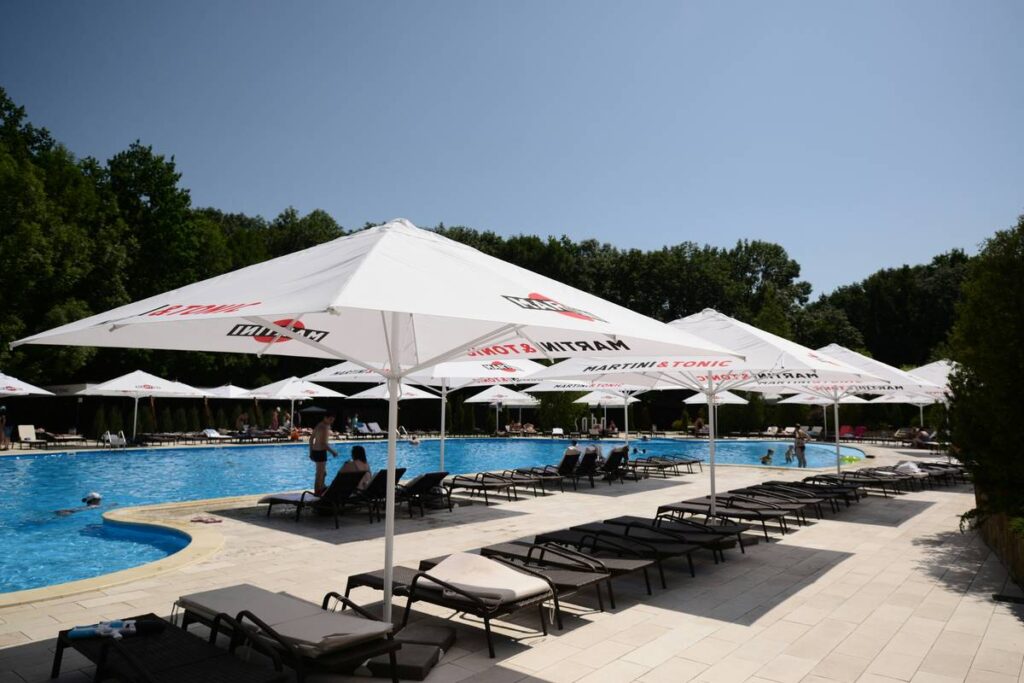
You bought a patio market umbrella with tilt thinking it would solve your sun-shade problems. Instead, it wobbles in mild wind, the tilt mechanism jams after one season, and that “rust-proof” frame? Already flaking. You’re not just losing comfort—you’re wasting hundreds on outdoor gear that quits before summer ends.
The Hidden Flaw in Most Patio Market Umbrellas with Tilt
Manufacturers optimize for looks—not longevity. They slap a tilt function onto flimsy aluminum poles and call it “premium.” But physics doesn’t care about aesthetics. A 90-degree tilt shifts the center of gravity. Without proper counterweight or reinforced joints, stress concentrates at the hinge. That’s why—after a few uses—the whole assembly sags or locks up.
And most bases? Too light. Sand-filled resin bases under 40 lbs are basically decorative paperweights once wind hits 8 mph.
How to Choose (and Maintain) a Bulletproof Patio Market Umbrella with Tilt
Pole Material Matters More Than Fabric
Forget polyester vs. Sunbrella for a second. If your pole bends like a fishing rod, no canopy will save you. Go for powder-coated steel—minimum 1.5mm wall thickness—or marine-grade aluminum with internal bracing. Wood? Beautiful but heavy; only practical with a fixed base mount.
Tilt Mechanism Types: Not All Are Created Equal
Crank-assisted tilts wear out fast. Manual push-button systems strip threads. The real winners? Collar-slide tilts—where you loosen a ring, adjust, then re-tighten. Fewer moving parts = fewer failure points. Bonus: they let you fine-tune angles without yanking the whole frame.
Base Weight Rules of Thumb
Rule #1: Base weight should equal **at least half** your umbrella’s canopy diameter in pounds. So a 9-ft umbrella needs ≥45 lbs. Rule #2: For tilt models, add 20% extra—heavy tilt throws off balance. Concrete-filled bases win over resin every time.

| Base Type | Weight Capacity | Tilt Stability | Price Range |
|---|---|---|---|
| Plastic Resin (Hollow) | 20–30 lbs | Poor – tips easily | $25–$50 |
| Resin (Sand/Water-Filled) | 35–50 lbs | Fair – okay for calm days | $60–$100 |
| Cast Iron | 60–90 lbs | Excellent – handles tilt well | $120–$200 |
| Steel/Cement Combination | 75–120 lbs | Best-in-class – zero wobble | $150–$250 |
Seasonal Care: The 5-Minute Winterization Trick
Don’t just close and forget. Every fall, loosen the tilt collar slightly—even if storing indoors. Humidity swells metal joints. If left locked tight, corrosion fuses components. A quarter-turn release prevents seized mechanisms come spring.

The Industry Secret No Retailer Wants You to Know
Most “tilt” umbrellas sold online aren’t engineered for true all-day sun tracking. They’re designed for photo shoots—angled once, then never moved again. Here’s the truth: if your umbrella doesn’t have a **dual-hinge system** (one near the top, one mid-pole), it can’t distribute tilt torque evenly. Single-pivot models fatigue at the joint within months. Yet brands rarely disclose this. Ask for engineering diagrams before buying. If they hesitate? Walk away.
Frequently Asked Questions
Can I add tilt to a non-tilt patio umbrella?
Technically yes—but it voids warranties and often fails. Aftermarket kits lack structural integration. Better to buy a purpose-built patio market umbrella with tilt from day one.
How much wind can a tilted umbrella handle?
Even high-end models struggle above 15 mph when tilted. The exposed canopy acts like a sail. Always lower and close it if gusts exceed 10 mph.
Are cantilever umbrellas better than market umbrellas with tilt?
For unobstructed seating, yes. But they cost 2–3x more, require permanent mounting, and have their own stability issues. A well-chosen market umbrella with tilt offers superior value for most homeowners.