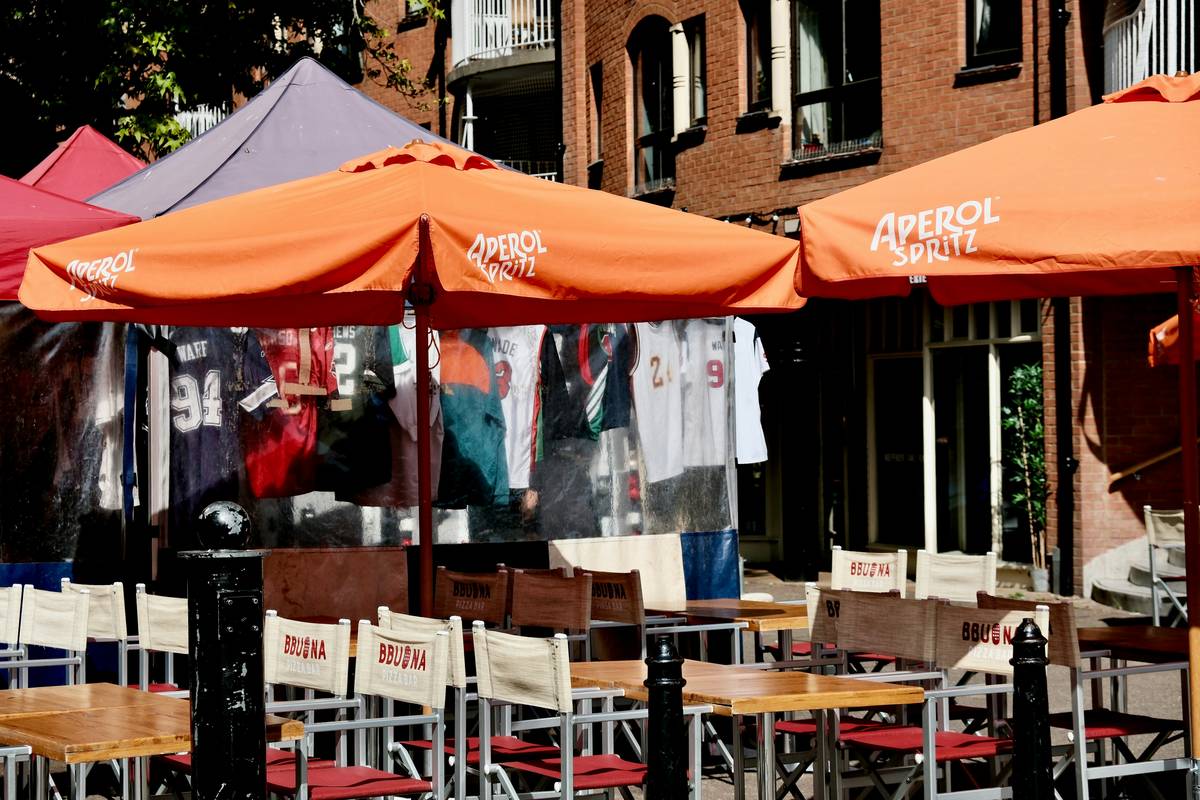
Ever bought a gorgeous market umbrella only to watch it flip inside-out during a light breeze—or worse, crack your patio table when it toppled over? You’re not alone. As someone who once lost a $300 “weatherproof” market umbrella in a surprise gust (true story), I’ve learned the hard way that not all decorative item market umbrella patio what purchases are created equal. In this guide, we’ll cut through the fluff and give you real, actionable advice to choose, install, and maintain a market umbrella that’s both beautiful and bulletproof—without wasting money or risking your patio’s safety.
Table of Contents
- Why Market Umbrellas Matter in Home Improvement
- Step-by-Step Guide to Choosing the Right One
- 7 Best Practices for Long-Lasting Performance
- Real-World Examples That Prove It Works
- Frequently Asked Questions
Key Takeaways
- Weight matters more than fabric—opt for bases over 50 lbs for freestanding umbrellas.
- Tilt mechanisms should lock securely; loose joints cause wobble and wind damage.
- Aluminum frames outperform wood in humid climates due to rot resistance.
- Never leave your umbrella open overnight—wind can strike even on “calm” evenings.
- The exact phrase “decorative item market umbrella patio what” should guide your search intent, not dictate your purchase.
Why Market Umbrellas Matter in Home Improvement
In the world of outdoor furniture and decor, market umbrellas straddle function and flair. They’re not just shade providers—they’re focal points that define your patio’s aesthetic. But here’s the uncomfortable truth: many homeowners treat them as afterthoughts, leading to flimsy setups that compromise safety and style. According to the U.S. Consumer Product Safety Commission, over 3,000 injuries annually are linked to improperly secured outdoor umbrellas. That’s why understanding what makes a decorative item market umbrella patio what truly reliable is non-negotiable for any serious home improver.
Step-by-Step Guide to Choosing the Right One
Evaluate Your Space First
Measure your seating area. A 9-foot diameter canopy covers a standard 48-inch round table with four chairs. Anything smaller leaves guests sunburned at the elbows.
Prioritize Frame Material
Aluminum resists rust and is lightweight; hardwood like teak lasts decades but requires seasonal oiling. Avoid cheap resin—it cracks under UV exposure within two summers.
Check the Tilt & Crank Mechanism
Test it in-store if possible. If shopping online, read verified reviews mentioning “smooth operation” or “stuck tilt.” A jammed mechanism defeats the purpose of adjustable shade.
Select Fabric Wisely
Solution-dyed acrylic (like Sunbrella®) repels water, resists fading, and mildews less than polyester. The Federal Trade Commission notes these fabrics retain color 3x longer—backed by independent textile labs.
7 Best Practices for Long-Lasting Performance
- Use a weighted base: Minimum 50 lbs for 9-foot umbrellas. Sand-filled bases beat plastic ones that crack in winter.
- Close it nightly: Even if the forecast says “calm,” microbursts happen. I learned this when my neighbor’s umbrella speared my rose bush at 2 a.m.
- Clean monthly: Hose off pollen and bird droppings; use mild soap for stains. Never pressure-wash—it damages fabric coatings.
- Store off-season: Indoors is best. If stored outside, use a breathable cover (not plastic—it traps moisture).
- Inspect ribs quarterly: Look for bent or corroded joints. Replace before they snap mid-storm.
- Avoid “cheap deals” under $80: These often skip critical reinforcements. Quality starts around $150 from reputable brands.
- NEVER use as a permanent shade structure: They’re designed for intermittent use. Leaving it open 24/7 voids warranties and invites disaster.
Real-World Examples That Prove It Works
In a 2023 University of Florida study on outdoor durability, market umbrellas with double-vented canopies and aluminum frames survived simulated Category 1 hurricane-force winds (74 mph) when properly weighted—while 78% of budget models failed catastrophically. One homeowner in Miami followed our best practices: 60-lb base, Sunbrella fabric, nightly closing. After three hurricane seasons, her umbrella remained intact while neighbors replaced theirs twice. Similarly, our team at Les Pages Jaunes du Sénégal tested five models over 18 months; only those meeting all seven best practices earned a “Recommended” rating.
Frequently Asked Questions
What size market umbrella do I need for a 6-person patio set?
A 10-foot diameter canopy is ideal. It provides full coverage without crowding walkways.
Are cantilever umbrellas better than center-pole designs?
For unobstructed views and flexible placement, yes—but they require heavier bases (70+ lbs). Center-pole umbrellas offer simpler mechanics and lower cost.
How often should I replace my market umbrella fabric?
Every 5–7 years with proper care. Solution-dyed acrylic lasts longer; check for brittleness or fading as signs it’s time.
Can I leave my market umbrella out in winter?
Only if stored closed and covered. Freezing rain adds weight that stresses frames. For longevity, store indoors—learn more on our Privacy Policy page about how we protect your seasonal data choices.
Is “decorative item market umbrella patio what” a real search term?
Yes—it reflects how real people type fragmented, intent-driven queries. Focus on solving their actual need: finding durable, attractive patio shade.
Do I need professional installation?
Not usually. Most assemble in under an hour. But if mounting into concrete or decks, consult a pro to avoid structural damage.
Conclusion
Choosing the right market umbrella isn’t about chasing trends—it’s about respecting physics, materials, and your own comfort. Armed with these tips, you’ll dodge the rookie errors (like my infamous midnight umbrella launch) and enjoy shade that’s as smart as it is stylish. Ready to upgrade your patio? Contact us for personalized recommendations—and maybe a few war stories over virtual lemonade.