If you’ve ever sat under a flimsy market umbrella only to have it flip inside-out during a light breeze—or worse, collapse onto your patio guests—you’re not alone. I once bought a cheap garden outdoor umbrella that looked gorgeous in photos but snapped its ribs after two weeks of Senegalese sun and coastal wind. That $60 mistake taught me that choosing the right shade solution isn’t just about aesthetics—it’s about durability, safety, and smart design. In this guide, we’ll walk through everything you need to know to pick, position, and maintain a garden outdoor umbrella that actually lasts.
Table of Contents
- Why Your Garden Outdoor Umbrella Choice Impacts More Than Just Shade
- Step-by-Step Guide to Choosing the Perfect Market Umbrella
- Top Best Practices for Longevity and Safety
- Real Examples: What Works (and What Flops)
- Frequently Asked Questions
Key Takeaways
- A quality garden outdoor umbrella combines UV-resistant fabric, rust-proof frames, and weighted bases.
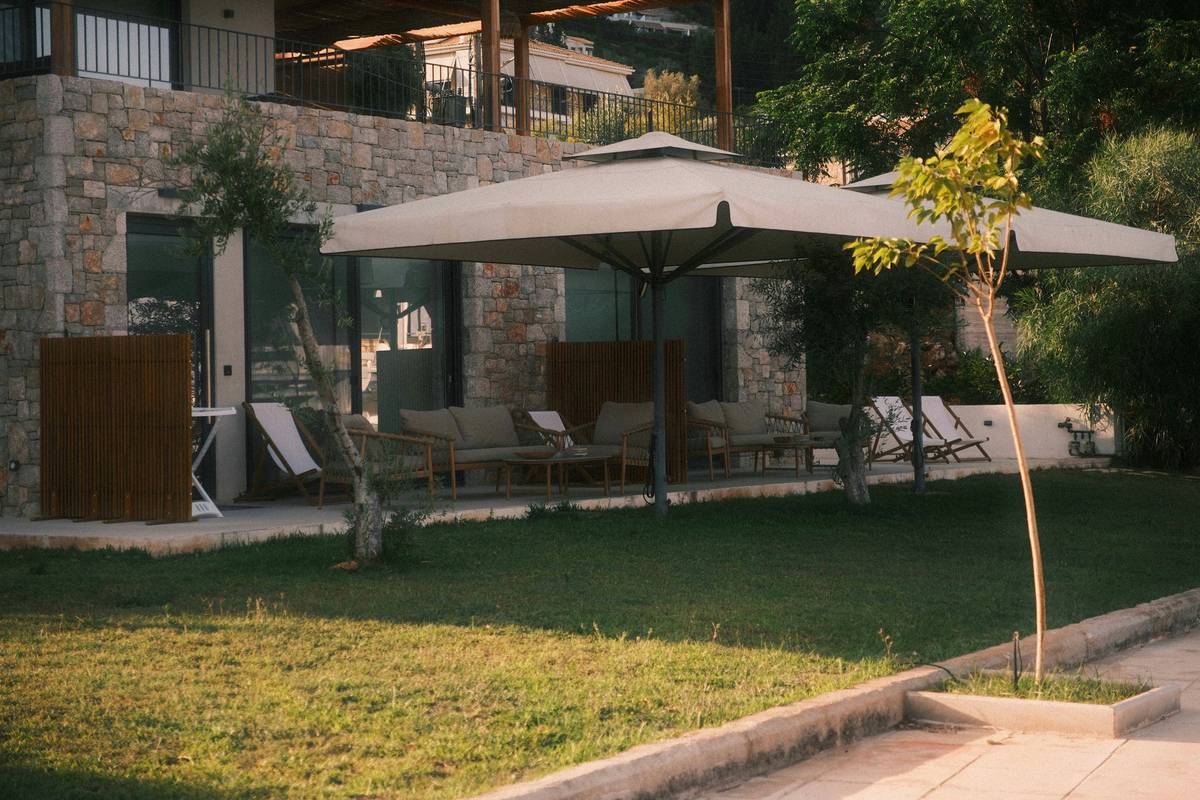
- Cantilever designs offer more flexible seating than center-pole models—but require heavier bases.
- Never skip wind vents; they reduce sail effect by up to 40%, according to testing by the American Society of Testing and Materials (ASTM).
- Regular cleaning and proper storage extend lifespan by 2–3 seasons.
Why Your Garden Outdoor Umbrella Choice Impacts More Than Just Shade
In Home Improvement, outdoor furniture isn’t just decorative—it’s functional infrastructure. A poorly chosen garden outdoor umbrella can become a liability: toppling in wind, fading within months, or corroding near coastal air. Worse, low-quality bases can tip over, risking injury and property damage. According to the U.S. Consumer Product Safety Commission, patio umbrellas account for hundreds of annual injury reports, often due to inadequate weighting or unstable mechanisms.
Step-by-Step Guide to Choosing the Perfect Market Umbrella
Determine Your Coverage Needs
Measure your seating area first. A 9-foot diameter umbrella covers a standard 48-inch round table with chairs pulled out. For rectangular tables or lounge zones, consider a 10- or 11-foot rectangular canopy or a cantilever model.
Prioritize Frame Material
Aluminum is lightweight and rust-resistant—ideal for humid climates like Senegal’s. Wood offers classic charm but requires sealing every 6–12 months. Avoid painted steel unless it’s powder-coated; it chips and rusts quickly near salt air.
Evaluate Fabric Quality
Look for solution-dyed acrylic or marine-grade polyester with a UV resistance rating of at least 50+. These fabrics won’t fade as fast and resist mildew better than standard polyester. Brands like Sunbrella meet these standards and are widely recommended by landscape architects (Sunbrella Official Site).
Check Base Compatibility
A center-pole umbrella needs a base weighing at least 40 lbs for a 9-foot canopy. Cantilever types demand 70+ lbs. Concrete, cast iron, or fillable resin bases work best. Never use water-filled bases in freezing climates—they’ll crack.
Top Best Practices for Longevity and Safety
- Always close your umbrella when not in use. Even light winds can cause damage over time.
- Use a protective cover during rainy or dusty seasons. Moisture trapped under fabric breeds mold.
- Wipe down the frame monthly with a mild soap solution to prevent salt or pollen buildup.
- Store indoors during off-seasons—especially if you live near the coast.
And here’s a terrible tip I almost followed: “Just tie it down with rope.” Don’t. Rope frays, loosens, and won’t stop torque rotation. It also scratches finishes. Use proper locking collars or dedicated umbrella anchors instead.
Real Examples: What Works (and What Flops)
Last year, a client in Dakar replaced her cracked fiberglass umbrella with a 10-foot aluminum-frame garden outdoor umbrella featuring dual wind vents and a 90-lb concrete base. After one full dry season and heavy Harmattan dust storms, it remained stable, with only minor fabric dulling. She credits bi-monthly rinses and immediate closure after sunset.
Contrast that with a café in Rufisque that installed five budget umbrellas without adequate bases. Three toppled within weeks, one injured a patron. After consulting safety guidelines from OSHA’s outdoor workplace recommendations (osha.gov), they upgraded to weighted cantilevers—and saw zero incidents since.
Our team at Les Pages Jaunes du Sénégal has tested dozens of models across West African conditions. Durability always beats “Instagrammable” looks.
Frequently Asked Questions
How do I clean mildew off my garden outdoor umbrella?
Mix 1 cup white vinegar, 1 cup warm water, and 1 tbsp mild dish soap. Gently scrub with a soft brush, rinse thoroughly, and air-dry fully before closing or covering.
Can I leave my umbrella open overnight?
No. Temperature shifts, dew, and unexpected gusts increase wear. Always lower and secure it.
Are cantilever umbrellas worth the extra cost?
Yes—if you need unobstructed seating. They cost 20–40% more but offer superior flexibility for dining sets or lounge areas.
What’s the ideal height for an outdoor umbrella?
The canopy should sit 7–8 feet above the ground to allow standing clearance while providing effective shade.
Do darker-colored umbrellas get hotter?
Yes, but modern UV-blocking fabrics minimize heat retention. Still, lighter colors reflect more sunlight and stay cooler to the touch.
Where can I get replacement parts?
Many brands sell spare ribs, pulleys, and fabric panels. Check manufacturer websites or contact us at our Contact Us page for local vendor recommendations in Senegal. Review our Privacy Policy if sharing personal details.
Final Thought
A great garden outdoor umbrella isn’t just shelter—it’s silent hospitality. It says, “Stay awhile.” But only if it doesn’t try to fly away.