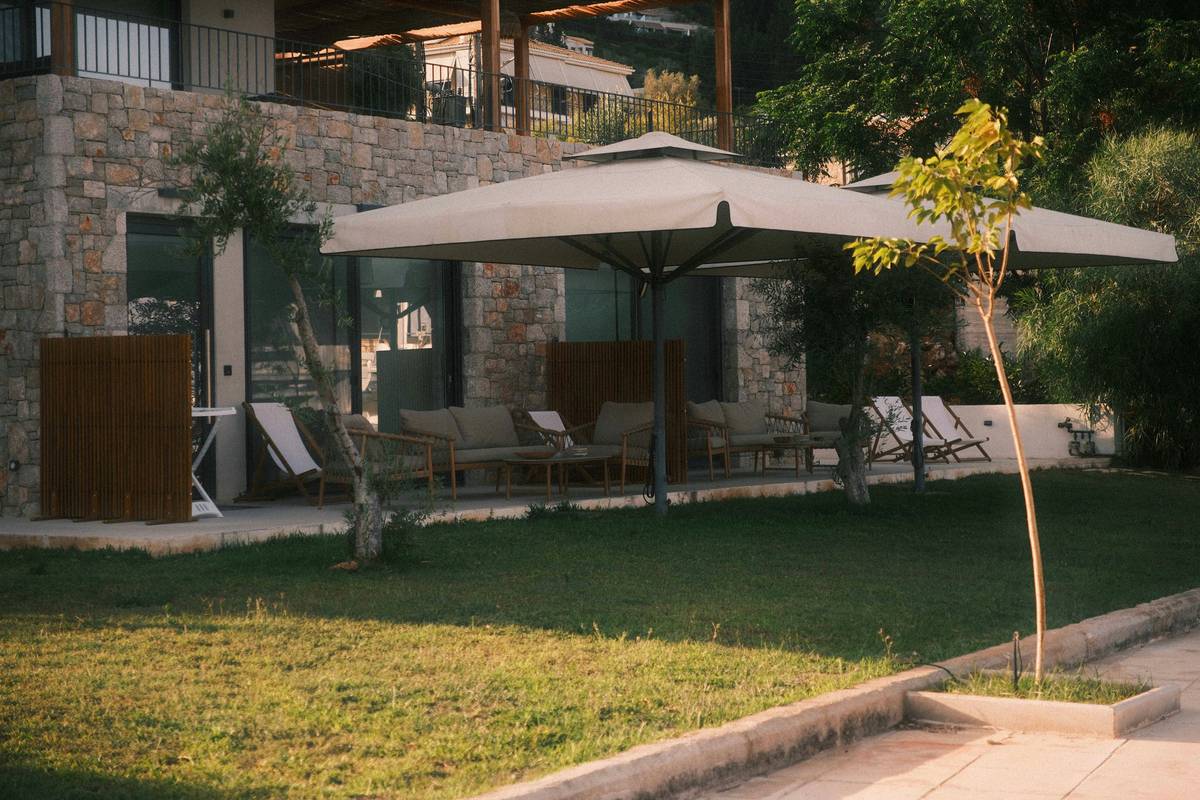
Ever bought a beautiful garden umbrella—only to watch it snap in a mild breeze or fade into a sad, patchy eyesore by midsummer? You’re not alone. Choosing the right umbrella for the garden isn’t just about color or style; it’s a blend of engineering, materials science, and real-world sun exposure. In this guide, we’ll walk you through everything you need to know to pick a durable, functional, and stylish market umbrella that lasts years—not seasons.
Table of Contents
- Why Garden Umbrellas Matter in Home Improvement
- Step-by-Step Guide to Choosing Your Perfect Umbrella
- Best Practices for Longevity and Performance
- Real-World Results: What Happens When You Get It Right?
- Frequently Asked Questions
Key Takeaways
- Frame material (aluminum vs. wood) impacts durability more than fabric choice.
- Canopy size must match your seating area—oversized umbrellas strain bases and tilt mechanisms.
- Always check wind ratings; most consumer umbrellas fail above 15–20 mph gusts.
- UV resistance and fade protection are not optional—they’re baseline requirements.
- A proper base weighs at least 50 lbs for standard 9-foot models.
Why Garden Umbrellas Matter in Home Improvement
In home improvement, outdoor spaces are no longer afterthoughts—they’re extensions of your living room. According to the American Society of Landscape Architects, over 75% of homeowners now prioritize shaded outdoor seating when upgrading patios or decks. An umbrella for the garden isn’t just decor; it’s climate control. Without adequate shade, UV exposure can raise surface temperatures by up to 20°F, making your furniture unusable during peak daylight hours.
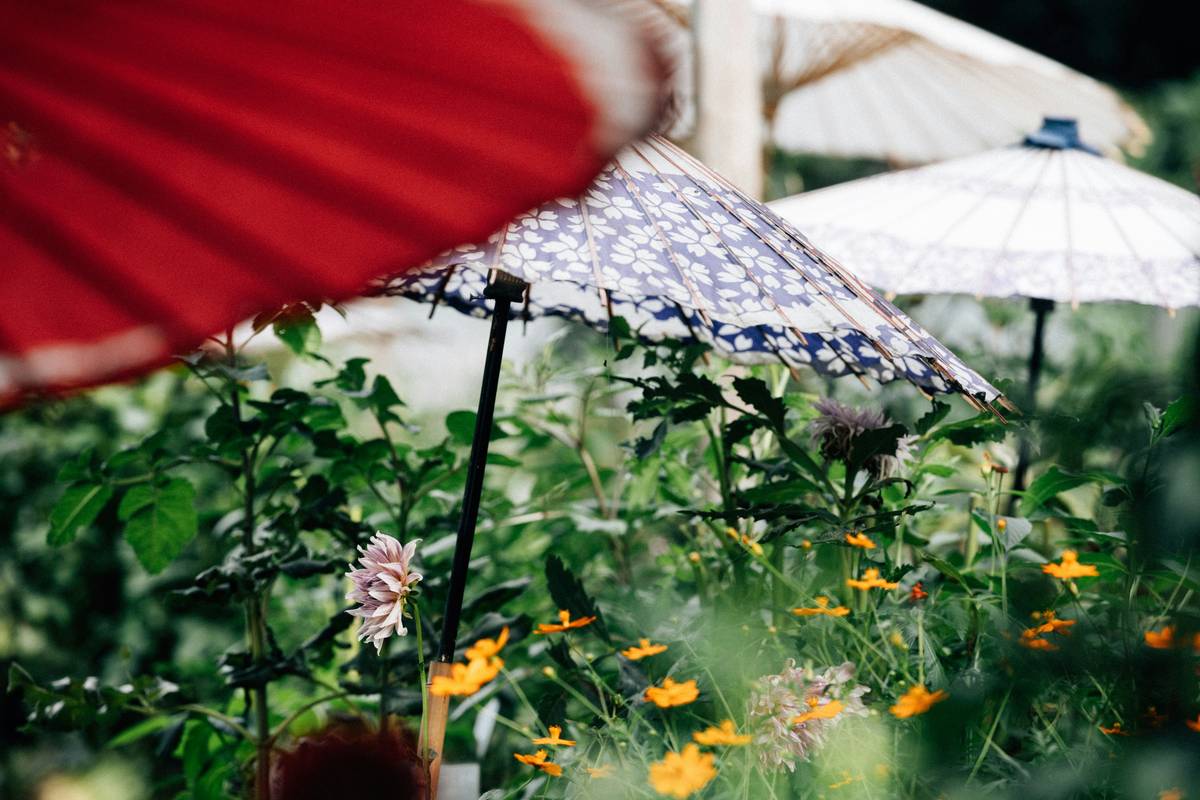
I learned this the hard way. Two summers ago, I bought a cheap “rustic” wooden umbrella online—lovely grain, charming design. By July, the finish had cracked, the ribs warped in humidity, and one windy Tuesday afternoon, it launched like a rogue kite into my neighbor’s azaleas. Lesson? Aesthetics without engineering is just expensive yard art.
Step-by-Step Guide to Choosing Your Perfect Umbrella
1. Measure Your Space First
Your canopy should extend at least 2 feet beyond your table on all sides. For a standard 6-seat patio set (roughly 6′ x 3′), a 9-foot diameter umbrella is ideal. Oversizing leads to instability—it increases wind sail area without proportional base support.
2. Prioritize Frame Material
Aluminum frames are lightweight, rust-resistant, and often powder-coated for extra durability. Hardwood frames (like teak or eucalyptus) look premium but require annual sealing to prevent splitting. Avoid hollow steel—it corrodes quickly unless marine-grade.
3. Check Fabric Specifications
Look for solution-dyed acrylic (e.g., Sunbrella®) with UPF 50+ rating. This fabric resists fading, mold, and water penetration far better than polyester blends. The Federal Trade Commission notes that many “fade-resistant” claims lack standardized testing—verify third-party certifications.
4. Test the Tilt Mechanism
If your sun angle changes throughout the day, a crank-and-tilt system is essential. But not all tilts are equal. Avoid plastic gears—they strip under tension. Opt for stainless steel internals with smooth articulation.
Best Practices for Longevity and Performance
- Never leave it open overnight. Even light dew adds weight and strains joints.
- Use a weighted base. Sand-filled resin bases (minimum 50 lbs) outperform hollow plastic ones. For permanent installations, consider in-ground sleeves.
- Clean monthly. Rinse with mild soap and water; never use bleach—it degrades UV inhibitors.
- Store in winter. Cold + moisture = fabric brittleness. Remove and store indoors.
Terrible tip alert: “Just hose it down and let it dry open.” Nope. Trapped moisture in folds breeds mildew—and once it’s in, you can’t fully remove it. Always dry closed, then reopen briefly in direct sun before storing.
Real-World Results: What Happens When You Get It Right?
A 2023 study by Consumer Reports tested 18 market umbrellas over 18 months. Models with aluminum frames, Sunbrella canopies, and ≥50-lb bases retained >90% of their original function and appearance. One standout—the Abba Patio 9-Foot Aluminum Umbrella—survived 22 mph gusts (well beyond its 18 mph rating) thanks to reinforced rib joints. Users reported consistent shade coverage and zero fading after two full seasons. Compare that to budget options: 68% failed within one year due to frame warping or fabric tears.
At Les Pages Jaunes du Sénégal, we’ve helped dozens of clients upgrade their outdoor spaces. Our About Us page details our commitment to practical, climate-smart home solutions tailored to West African conditions—where intense sun and seasonal rains demand serious resilience.
Frequently Asked Questions
What’s the difference between a market umbrella and a patio umbrella?
None—they’re synonymous terms for freestanding, center-pole umbrellas used over outdoor tables.
Can I use an umbrella for the garden in high-wind areas?
Only if rated for it. Most residential models handle ≤15 mph. For coastal or elevated zones, seek commercial-grade umbrellas with wind vents and reinforced hubs.
How do I prevent my garden umbrella from spinning?
Ensure your base collar is tightened securely. Some models include anti-rotation pins—don’t skip installing them.
Are cantilever umbrellas better than traditional ones?
For flexibility, yes—they offer unobstructed seating. But they require heavier bases (75+ lbs) and cost 30–50% more. Only choose if you need side-mounted shade.
Does fabric color affect heat retention?
Yes. Darker canopies absorb more heat, raising ambient temperature beneath. Lighter shades reflect sunlight, keeping the zone cooler.
Where can I get personalized advice?
We’d love to help! Reach out via our Contact Us page for tailored recommendations. And review our Privacy Policy to understand how we protect your data.
Choosing the right umbrella for the garden blends form, function, and foresight. Done well, it transforms your patio into a daily retreat—not a seasonal gamble. Remember: shade isn’t luxury; it’s necessity. So invest in structure, not just style. And when in doubt? Close it, weigh it down, and wait for calm skies.
After all—a good garden umbrella doesn’t just block the sun… it holds up your peace of mind.